

Climate change and urban water systems in Africa are becoming increasingly interconnected as cities face growing pressure from flooding, drought, infrastructure stress, and rapid urbanization. Across the continent, climate-related disruptions are reshaping how water is accessed, distributed, managed, and protected in urban environments.
Many African cities were not originally designed to withstand the climate extremes that are now becoming more frequent. Heavy rainfall overwhelms drainage systems, while prolonged droughts reduce river flows, lower reservoir levels, and intensify water shortages. At the same time, rapid population growth continues to place additional pressure on already fragile infrastructure systems.
According to the United Nations, climate change is expected to significantly increase water stress across many African regions over the coming decades. More than 400 million people across Africa still lack access to safe drinking water, making urban resilience increasingly dependent on sustainable water management systems.
Cities such as Nairobi, Lagos, Cape Town, Addis Ababa, and Johannesburg are already experiencing how climate change and urban water systems in Africa are becoming increasingly interconnected through flooding, drought, infrastructure stress, and growing water demand.
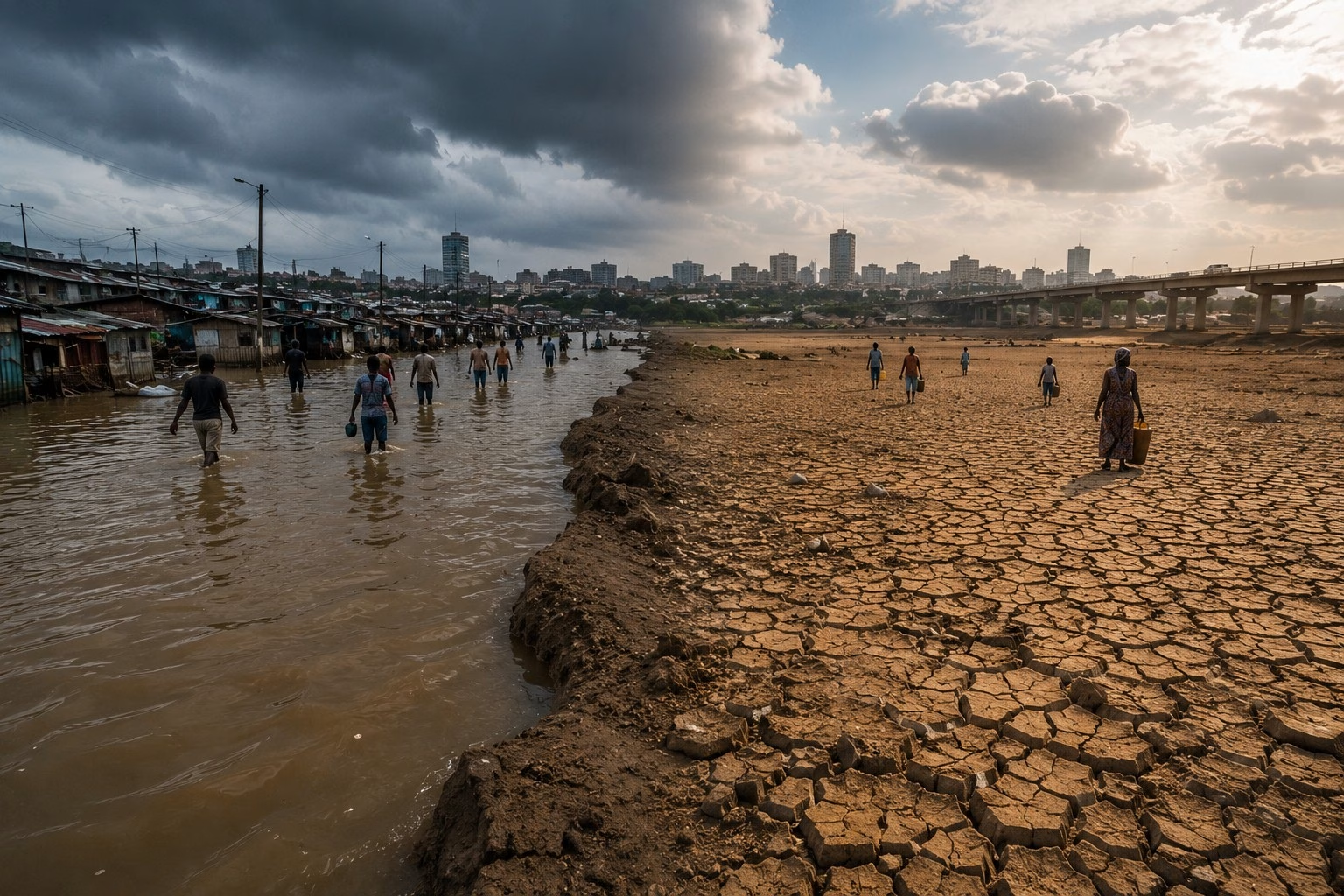
Why Climate Change and Urban Water Systems in Africa Are Becoming Increasingly Connected
The relationship between climate change and urban water systems is becoming more visible across African cities. Floods, droughts, heatwaves, and environmental degradation are directly affecting water infrastructure, drainage systems, groundwater recharge, and public access to clean water.
Urban areas are especially vulnerable because climate risks often interact with existing infrastructure weaknesses and population pressures. In many cities, drainage systems are outdated, informal settlements continue to expand rapidly, and water supply networks struggle to meet rising demand.
This means that even moderate climate shocks can create widespread disruption. Heavy rainfall can contaminate water systems, while droughts reduce supply reliability and increase dependence on emergency water solutions.
The growing connection between climate change and urban water systems in Africa demonstrates how environmental pressures are now shaping daily urban life, public health, and long-term development planning.
Climate Change Is Intensifying Urban Flooding Across African Cities
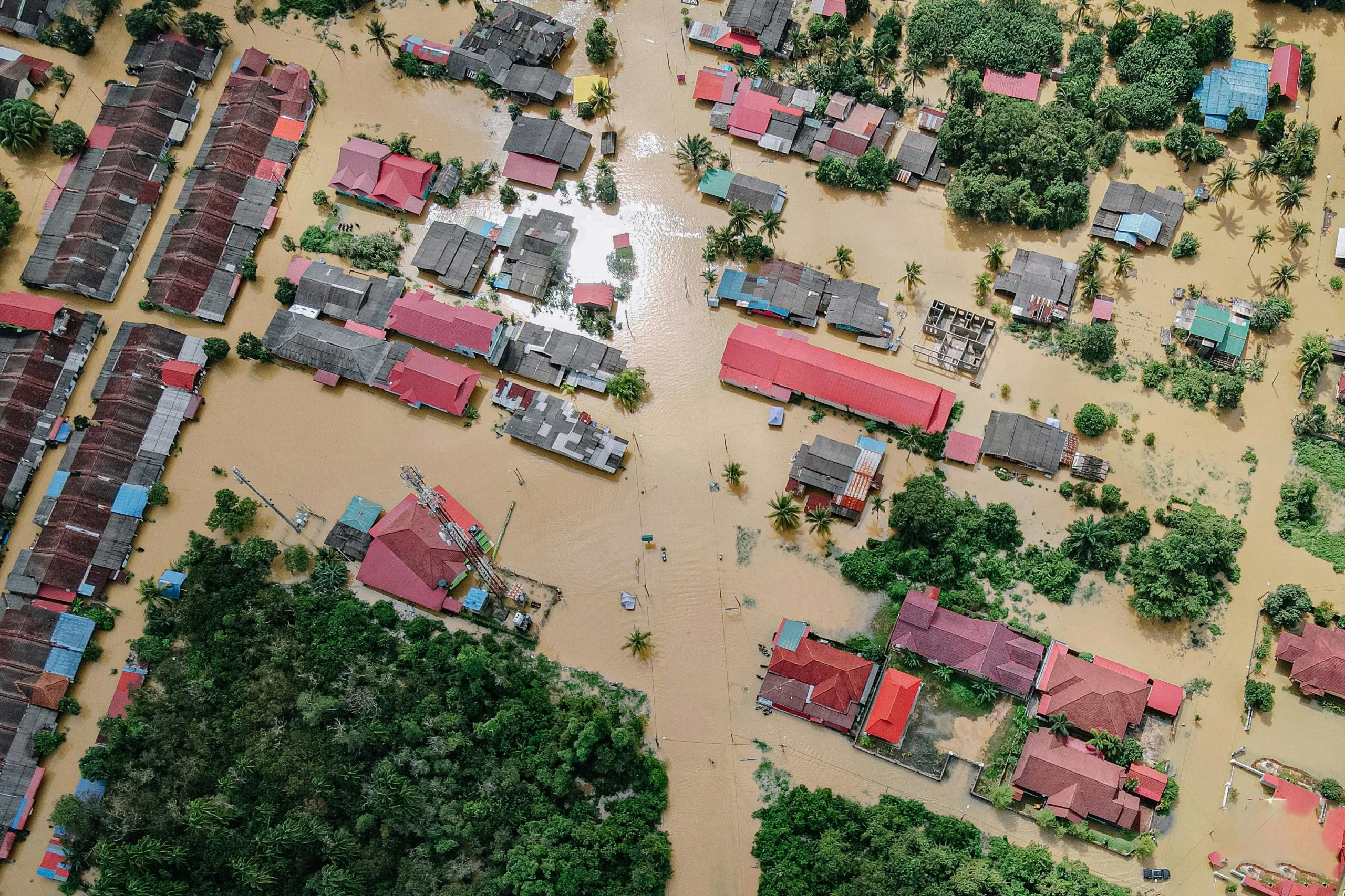
One of the clearest impacts of climate change on urban water systems is the increase in severe flooding events. Many African cities are experiencing heavier rainfall that overwhelms drainage systems and damages infrastructure.
In Nairobi, recent heavy rainfall caused major flooding in areas such as Mathare, Mukuru, and parts of Eastlands. Floodwaters mixed with sewage, roads became impassable, and thousands of residents were displaced. Informal settlements were particularly vulnerable because drainage systems were inadequate or poorly maintained.
Lagos faces similar challenges. Rapid urban expansion, poor drainage planning, and rising sea levels have increased flood risks across several neighborhoods. During periods of heavy rainfall, water systems become overwhelmed, disrupting transportation, sanitation, and access to safe water.
Flooding affects urban water systems in several ways:
- contamination of water supplies
- sewage overflow into residential areas
- destruction of pipelines and drainage systems
- disruption of water treatment facilities
- increased spread of waterborne diseases
These floods are no longer isolated disasters. They are becoming recurring urban resilience challenges linked directly to climate change.
The growing relationship between climate change and urban water systems in Africa is increasingly evident when major floods damage drainage systems, contaminate water supplies, and displace vulnerable urban communities.
Droughts Are Increasing Pressure on Urban Water Supply Systems
While some cities experience severe flooding, others face growing pressure from prolonged drought conditions. Climate variability is reducing the reliability of rainfall patterns and surface water systems across many African regions.
Cape Town’s “Day Zero” crisis became one of the most widely discussed urban water emergencies in the world. During the drought, dam levels dropped dramatically, forcing authorities to introduce strict water restrictions to prevent total system collapse.
In East Africa, drought conditions have repeatedly affected water supply systems in Nairobi and surrounding counties. Water rationing remains common in many parts of the city during dry periods as reservoirs and rivers decline.
These droughts are increasing dependence on:
- groundwater extraction
- private boreholes
- water trucking services
- household water storage systems
The growing impact of drought demonstrates how climate change and urban water systems in Africa are becoming deeply interconnected. In many African cities, climate change and urban water systems are now closely linked because declining rainfall and rising temperatures are reducing the reliability of traditional water supply systems.
Rapid Urbanization Is Making Water Systems More Vulnerable
Climate pressures are interacting with another major challenge facing African cities: rapid urbanization. Africa’s urban population is projected to exceed 1.4 billion people by 2050, significantly increasing demand for water, sanitation, and resilient infrastructure systems.
In cities such as Nairobi, informal settlements continue to expand into flood-prone and environmentally vulnerable areas. Communities in Kibera, Mukuru, and Mathare often experience overlapping risks linked to poor drainage, flooding, unreliable water access, and weak sanitation infrastructure.
Urban growth also places pressure on:
- aging pipelines
- drainage systems
- water treatment facilities
- groundwater reserves
- waste management systems
Many cities are therefore struggling to balance population growth with climate adaptation and sustainable water planning.
Aging Infrastructure Is Struggling to Cope With Climate Pressure
Many African urban water systems rely on infrastructure that is aging, overstretched, or poorly maintained. Climate change is exposing weaknesses that already existed within these systems.
Heavy rainfall damages roads, drainage channels, and water pipelines, while drought reduces supply reliability and increases operational pressure. In Nairobi, significant amounts of treated water are lost through leakages and inefficient infrastructure before reaching consumers.
Infrastructure challenges are often worsened by:
- limited investment
- unplanned urban expansion
- poor drainage planning
- weak maintenance systems
- inadequate climate adaptation policies
Without substantial investment in climate-resilient infrastructure, many African cities may face increasing disruption and water insecurity in the coming decades.
Climate Change and Urban Water Systems in Africa Are Increasing Water Inequality
The effects of climate change are not experienced equally across urban populations. Lower-income communities often face the highest levels of water insecurity because they have limited access to resilient infrastructure and alternative supply systems.
During water shortages, wealthier households may rely on water tanks, private boreholes, or commercial water deliveries. In contrast, many informal settlement residents depend on communal water points or informal water vendors whose prices may increase sharply during drought periods.
Flooding also disproportionately affects vulnerable communities living in poorly planned settlements with inadequate drainage infrastructure.
This growing inequality shows that discussions about climate change and urban water systems in Africa are also closely connected to social justice, public health, and inclusive urban planning.
Climate resilience in African cities will depend not only on stronger infrastructure, but also on equitable access to safe and reliable water systems.
Groundwater Is Becoming an Urban Survival Resource
As climate pressures increase, groundwater is becoming one of the most important urban resilience resources across Africa. Many cities are increasingly relying on boreholes and underground water systems to supplement unreliable municipal supply.
In Nairobi, Kiambu, and Rongai, private and institutional borehole development has expanded significantly over recent years. Schools, hospitals, residential estates, and businesses now depend heavily on groundwater during periods of water rationing.
Groundwater provides several resilience benefits:
- more reliable supply during droughts
- reduced dependence on surface water systems
- emergency backup during shortages
- support for rapidly growing urban populations
However, excessive extraction without proper regulation can also create long-term sustainability risks.
Read more in our article on groundwater in Africa and sustainable water systems.
Urban Planning Will Determine Future Water Resilience
The future of climate change and urban water systems in Africa will depend heavily on planning decisions made today. Cities must begin integrating climate adaptation directly into infrastructure development, drainage planning, environmental protection, and land use systems.
Climate-resilient urban planning may include:
- improved drainage systems
- flood management infrastructure
- rainwater harvesting systems
- wetland conservation
- smart water monitoring technologies
- climate-informed urban expansion policies
Scientific research and environmental monitoring will also remain essential for helping governments anticipate future risks and strengthen resilience planning.
Organizations such as UN-Water continue to emphasize the importance of sustainable water management and climate resilience globally.
The Future of Water Resilience in African Cities
Climate change and urban water systems in Africa are becoming increasingly interconnected as cities face growing environmental, infrastructural, and social pressures. Flooding, drought, groundwater dependence, infrastructure stress, and rapid urbanization are no longer isolated issues. They are now part of a broader urban resilience challenge affecting millions of people across the continent.
The future of African cities will depend not only on expanding water supply, but also on building systems capable of adapting to climate uncertainty. This requires stronger governance, investment in resilient infrastructure, sustainable groundwater management, scientific research, and inclusive planning that protects vulnerable communities.
Urban water resilience is no longer optional. As climate risks continue to intensify, cities that invest in climate-smart water systems today will be better prepared to protect communities, strengthen public health, and support sustainable development in the future.