Building a personal brand and a successful career is no longer only about having the right qualifications and waiting for someone to notice you. In today’s competitive professional environment, personal branding can influence how people perceive your expertise, remember your work, and decide whether to recommend you for an opportunity.… Continue Reading
Why Continuous Learning Is the Secret to Long-Term Career Success
Continuous learning has become one of the most valuable investments professionals can make in today’s rapidly changing world. There was a time when earning a university degree or professional qualification was considered enough to build a successful career. Today, that is no longer the case.… Continue Reading
How to Be a Good Mentee: 10 Habits That Mentors Value Most
Learning how to be a good mentee is just as important as learning how to find a mentor. While many people focus on finding experienced professionals to guide their careers, few realize that the success of a mentorship relationship depends equally on the mentee.… Continue Reading
How to Find a Mentor: 9 Proven Ways to Build the Right Mentorship Relationship
How to find a mentor is one of the most common questions asked by students, graduates, early-career professionals, researchers, entrepreneurs, and even experienced professionals looking to advance their careers. Many people recognize the value of mentorship, yet they are often unsure where to begin or how to approach someone they admire professionally.… Continue Reading
Mentorship and Career Growth: Why Success Is Rarely a Solo Journey
Career growth is often associated with education, experience, technical skills, and hard work. While these factors undoubtedly play an important role in professional success, there is another element that is frequently overlooked: mentorship. Across industries, professions, and leadership positions, many successful individuals can trace pivotal moments in their careers back to the guidance, encouragement, and support of a mentor.… Continue Reading
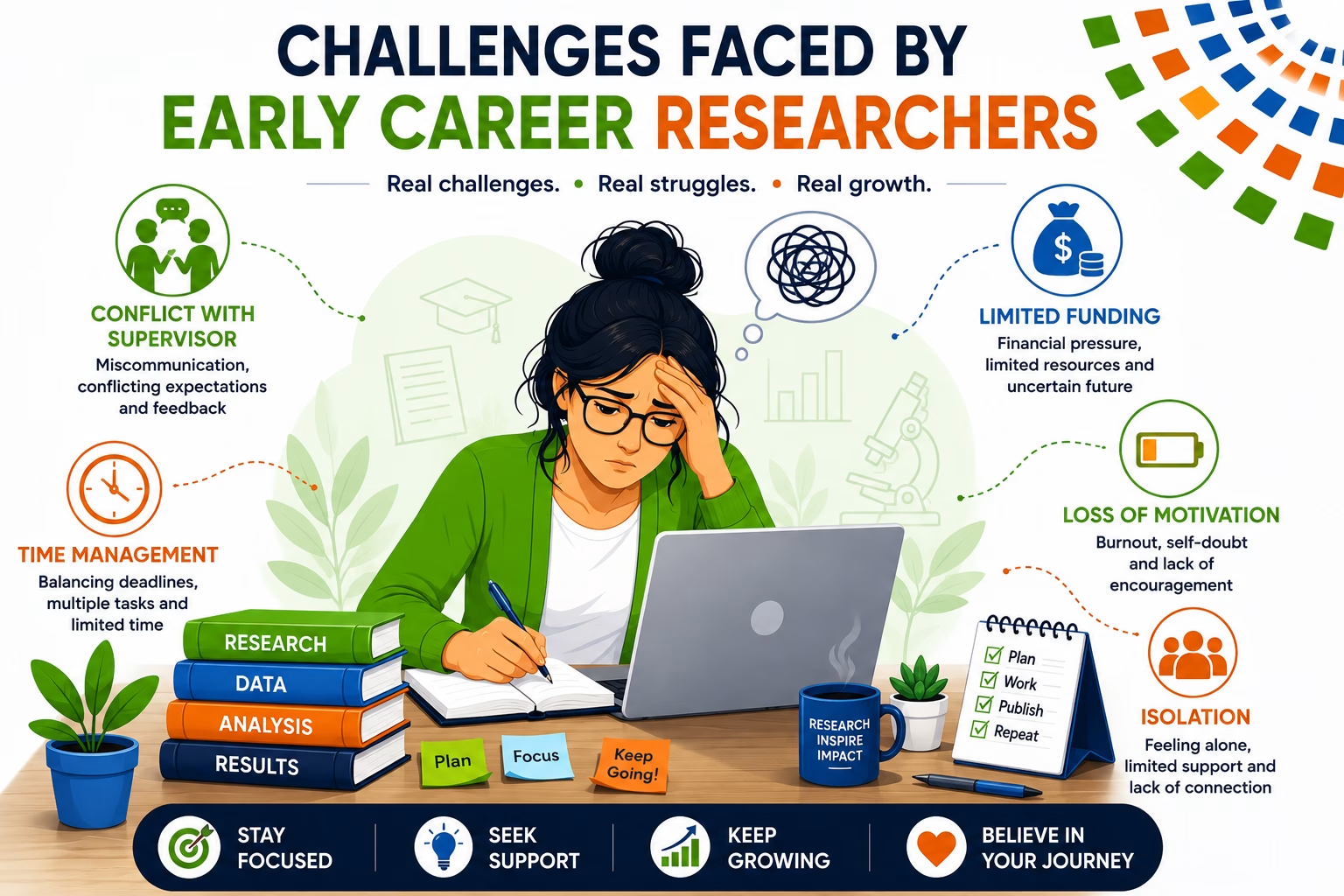
Top 5 Challenges Faced by Early Career Researchers
The challenges faced by early career researchers are often underestimated in academia. Research careers are commonly associated with discovery, innovation, and intellectual growth, yet the reality behind the scenes can be far more demanding. For many graduate students, PhD candidates, postdoctoral fellows, and young academics, the research journey is filled with uncertainty, pressure, emotional exhaustion, and constant adjustment.… Continue Reading