

Why Groundwater Matters
Groundwater 101 begins with understanding that groundwater is water stored beneath the Earth’s surface in soil pores, fractures, and rock formations known as aquifers. Unlike rivers and lakes, groundwater is not immediately visible, yet it is one of the most important sources of freshwater globally. It supplies drinking water to billions of people, supports agriculture through irrigation, and sustains ecosystems such as wetlands and rivers during dry periods.
As part of Groundwater 101, understanding its role in Earth’s water system is essential. It supplies nearly 50% of drinking water worldwide and supports 40% of irrigation. Despite its significance, many people overlook this invisible resource—until crises like droughts or water shortages strike.
In this article, we’ll uncover the basics of groundwater, how it moves, why it’s essential, and what we can do to protect it.
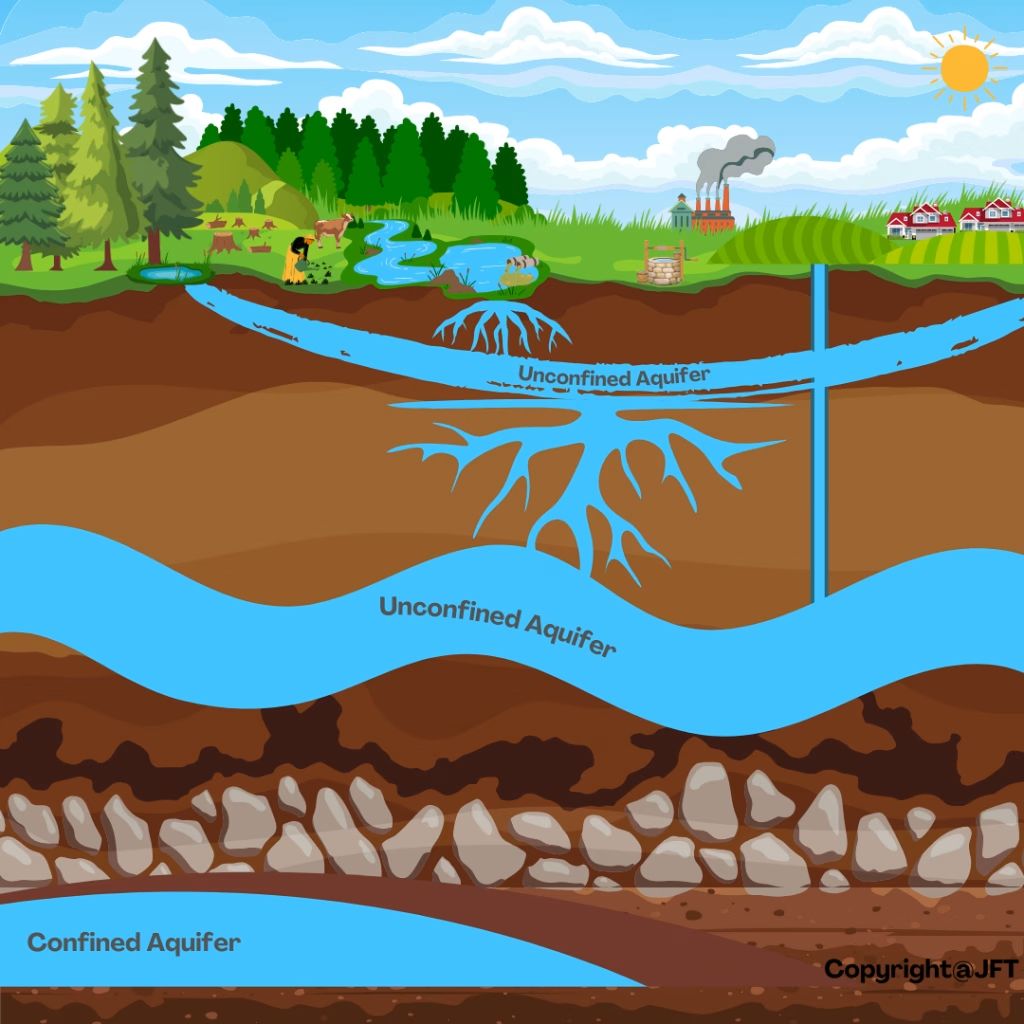
The first thing we have to understand as part of groundwater 101 is that, unlike surface water found in rivers and lakes, groundwater exists beneath the Earth’s surface in spaces between soil particles and rock formations called aquifers. Rainwater and surface water gradually seep into the ground, replenishing these underground reserves through a process called infiltration.
Groundwater 101 Facts :
- Invisible Yet Essential: Though hidden, it serves as a major water supply.
- Naturally Filtered: Water percolates through rock layers, removing impurities and making it an important drinking source.
- Slow but Steady Movement: Groundwater flows much slower than rivers, often taking years to travel significant distances.
How Does Groundwater Move?
A key concept in groundwater 101 is that groundwater moves slowly—sometimes taking years or even centuries to travel through an aquifer. This slow movement allows natural filtration, often making groundwater cleaner than surface water. However, it also means that once contaminated, groundwater can be extremely difficult and costly to clean. Pollution from poorly managed waste, industrial activities, or agricultural chemicals can persist for decades.
At the heart of groundwater 101 are aquifers, which can be either unconfined (directly recharged from the surface) or confined (trapped between impermeable layers). Water enters these systems through a process called recharge, where rainfall or surface water infiltrates the ground. The upper surface of groundwater is known as the water table, which rises and falls depending on rainfall, extraction, and land use. In many regions, especially urban areas, groundwater acts as a hidden buffer during times of water scarcity.
- Unconfined Aquifers: These aquifers receive water directly from the surface, making them more vulnerable to contamination.
- Confined Aquifers: Situated between impermeable rock layers, they store water under pressure and are often harder to recharge.
The water table marks the upper boundary of an unconfined aquifer. Its depth fluctuates depending on rainfall, extraction rates, and seasonal changes.
Why Is Groundwater So Important?
Groundwater plays a vital role in daily life and the environment. Here’s why it matters:
- Essential for Drinking Water – More than 2.5 billion around the world people depend on it for daily use.
- Supports Agriculture – Irrigated farmlands rely heavily on underground water sources.
- Buffers Against Droughts – Unlike surface water, groundwater remains available even during dry periods.
Despite its many benefits, improper use and environmental changes threaten its availability.
Challenges Facing Groundwater
Water scarcity is increasing worldwide, and groundwater is under pressure from several threats:
- Over-Extraction: Pumping out more than nature replenishes depletes aquifers, causing water tables to drop.
- Pollution: Agricultural runoff, industrial waste, and poor sanitation allow harmful chemicals to seep into aquifers.
- Climate Change: Altered weather patterns reduce recharge rates, leading to long-term declines in groundwater levels.
If these issues remain unaddressed, billions could face severe water shortages in the future.
How Can We Protect Groundwater?
Despite its importance, groundwater is often overlooked in water management. Over-abstraction—where more water is withdrawn than naturally replenished—can lead to declining water tables, land subsidence, and drying of wells and springs. Sustainable groundwater management requires balancing use with recharge, protecting recharge areas, and integrating groundwater into broader water and land-use planning. Sustaining groundwater for future generations requires immediate action. Here’s how individuals, communities, and governments can help:
- Reduce Water Waste: Fix leaks, practice efficient irrigation, and use water-saving appliances.
- Prevent Contamination: Properly dispose of chemicals, limit pesticide use, and manage industrial waste responsibly.
- Implement Sustainable Policies: Governments must regulate extraction, promote conservation, and invest in groundwater recharge projects.
Some regions have adopted Managed Aquifer Recharge (MAR) techniques, which store excess rainwater underground for later use. This innovative method helps restore declining groundwater levels.
Final Thoughts
In simple terms, groundwater 101 shows that groundwater is the hidden backbone of water security. Understanding how it works is the first step toward protecting it—especially in rapidly growing cities and climate-vulnerable regions where dependence on this invisible resource continues to grow.
Join the Conversation
How does groundwater impact your daily life? Share your thoughts in the comments!
Do you want to Learn more? You can learn more about this topic at Groundwater Foundation and USGS websites.
You may also Get in Touch!

I am an expert at the science–policy interface on groundwater governance, water security, and climate resilience, with a focus on African and climate-vulnerable contexts. My work involves applied hydrogeological analysis, risk assessment, decision support, and institutional strengthening, including engagement in transboundary groundwater dialogue and regional cooperation processes. I contribute to programme design, policy dialogue, and capacity development, translating groundwater data and systems understanding into actionable guidance for governments, development partners, and implementing agencies.
 English