

Water is one of the most critical resources on our planet, yet it is often taken for granted. From ensuring access to clean drinking water to managing droughts and floods, water-related challenges are complex and multifaceted. Science is on the forefront of advancing water challenges of our modern society, however, addressing these challenges requires not only scientific expertise but also effective communication to bridge the gap between researchers and decision-makers. One of the most powerful tools in this communication arsenal? Numbers.
Science communication 101 in the water sector starts with a simple truth: numbers tell powerful stories—but only if people understand them. In water science, data is everywhere—rainfall measurements, groundwater levels, water quality indicators, and population access statistics. Yet, without effective communication, these numbers remain abstract and fail to influence decisions. The challenge is not a lack of data, but a gap between data and understanding.
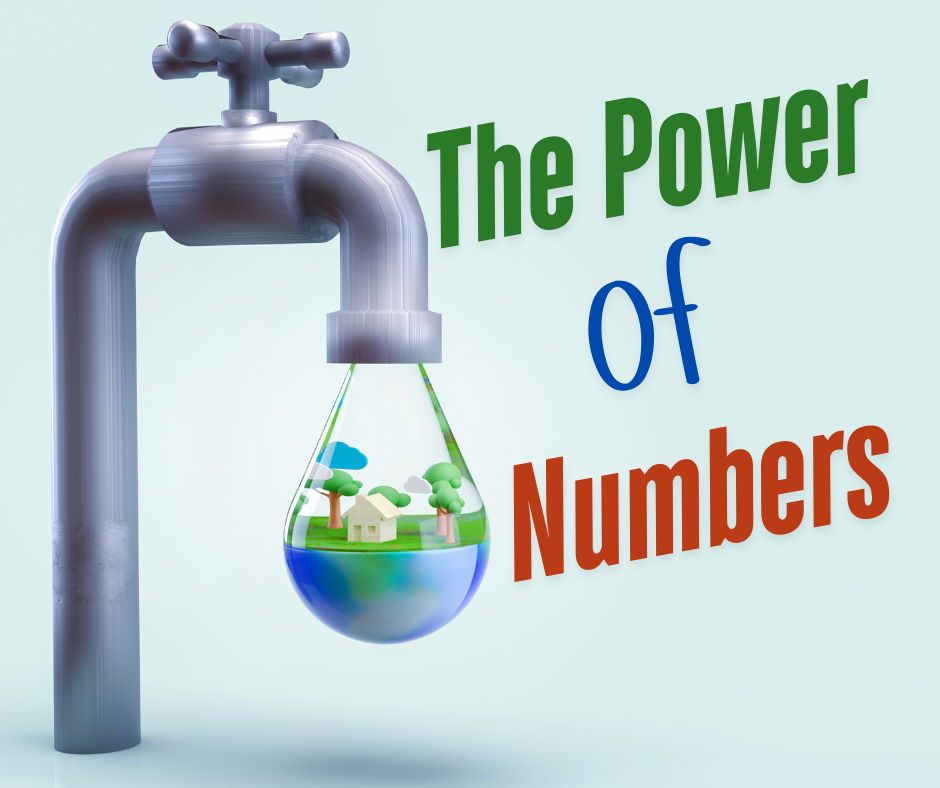
At the centre of water science and policy, numbers have a unique ability to cut through complexity, clarify priorities, and drive action. But why do numbers resonate so strongly with decision-makers, and how can scientists use them to maximize their impact? Let’s dive in.
Why Numbers Appeal to Decision-Makers
At its core, science communication is about translating complex scientific information into messages that are clear, relevant, and actionable. For example, saying that groundwater levels are declining by 0.5 meters per year may not resonate with the public. But framing it as “your borehole may run dry within the next decade if current trends continue” connects the data to real-life consequences. Numbers become meaningful when they are linked to people, places, and time.
Equally important is trust. In the era of misinformation, the credibility of water data depends on transparency and clarity. Scientists and practitioners must explain not only the numbers but also how they were obtained. This builds confidence among policymakers, stakeholders, and the public. Good science communication is not just about simplifying—it is about maintaining accuracy while improving understanding.
Provides Clarity and Objectivity
Numbers provide a clear, objective foundation for decision-making. In a world filled with competing interests and subjective opinions, quantitative data offers a neutral ground. For example, stating that “40% of the local population lacks access to clean water” is far more compelling than a vague statement about “many people” facing water shortages. Decision-makers rely on such precise metrics to assess the scale of a problem and allocate resources effectively.
Basis for Comparability and Benchmarking
Numbers allow for easy comparison across regions, time periods, or scenarios. For instance, comparing water usage rates between urban and rural areas can highlight disparities and inform targeted interventions. Similarly, tracking changes in water quality over time or changes in water table in case of groundwater can demonstrate the effectiveness of policies or the urgency of action. Decision-makers often use benchmarks to set goals and measure progress, making numbers indispensable.
Supports Risk Assessment and Cost-Benefit Analysis
Policymakers are often tasked with weighing risks and benefits, especially when allocating limited budgets. Numbers enable them to quantify the potential impacts of different actions. For example, estimating the economic cost of a drought versus the investment required for water conservation measures can help prioritize funding. As a scientist, you have to frame the specific water-related challenges in terms of financial or social costs, scientists can make a compelling case for action. In addition, where costs are not necessary, provide strong grounds for why one should act. Is there a health risk, for example?
Provides Evidence for Accountability and Transparency
Numbers create accountability. When decision-makers commit to specific targets—such as reducing water pollution by 20% or increasing water reuse by 50%—they can be held accountable for their progress. Transparent, data-driven communication fosters trust between scientists, policymakers, and the public, ensuring that decisions are based on evidence rather than rhetoric. Number provide grounds for evaluation against specific targets at local or regional levels.
How Scientists Can Use Numbers Effectively
While numbers are powerful, their impact depends on how they are communicated. Here are some strategies for scientists to make their data resonate with decision-makers:
Tell a Story with Data
Numbers alone can be dry and difficult to interpret. Pairing them with narratives helps bring the data to life. For example, instead of simply stating that “2 billion people lack access to safe drinking water,” scientists can share stories of communities affected by water scarcity and how it impacts their health, education, and livelihoods. This contextualises the data and makes it more relatable.
Use Visualizations – show-casing numbers
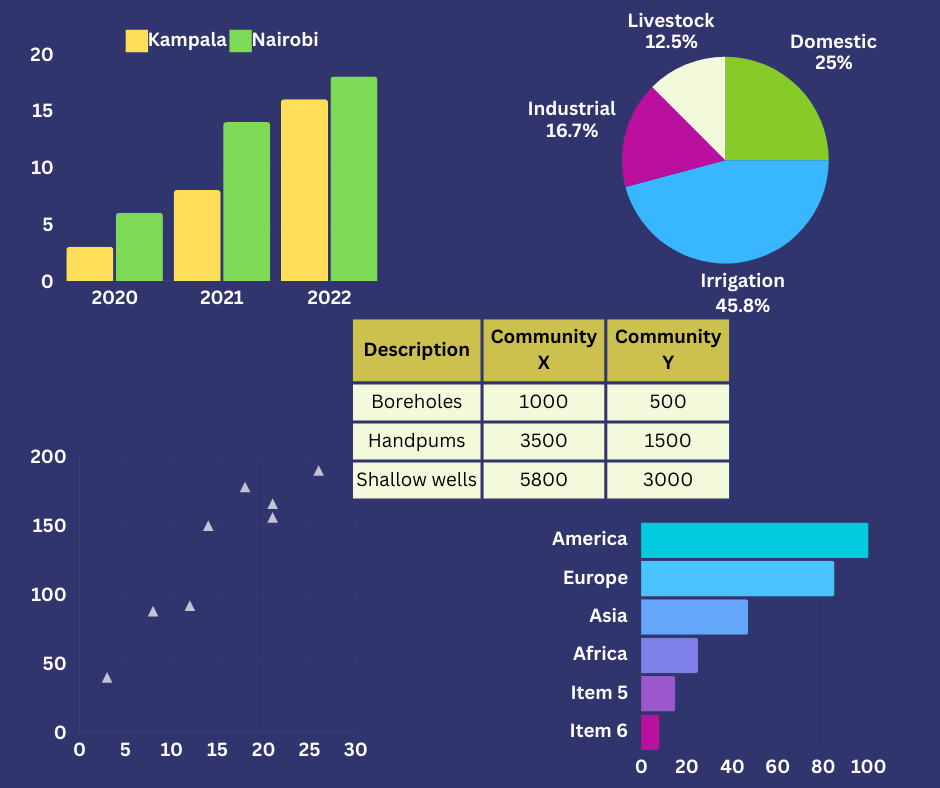
Graphs, maps, and infographics can transform complex datasets into easily digestible insights. For instance, a map showing areas at risk of water stress can quickly convey the urgency of the issue to policymakers. Visual tools are particularly effective for highlighting trends, patterns, and disparities.
Focus on Relevance
Decision-makers are often pressed for time and need information that is directly relevant to their priorities. Scientists should tailor their communication to address specific policy questions or challenges. For example, if a region is facing frequent droughts, highlighting data on water availability, climate projections, and potential solutions can guide decision-making.
Simplify Without Oversimplifying
While it’s important to make data accessible, oversimplification can lead to misinterpretation. Scientists should strive to present numbers in a way that is clear and concise but still accurate. Providing context—such as explaining the methodology behind the data or acknowledging uncertainties—can help maintain credibility.
Highlight Actionable Insights
Decision-makers need more than just information; they need actionable insights. Scientists should use numbers to identify clear pathways for action. For example, if data shows that agricultural runoff is a major source of water pollution, scientists can recommend specific measures—such as adopting sustainable farming practices—to address the issue.
However, numbers can also mislead if not carefully communicated. Large figures—such as “millions without access to water”—can feel overwhelming and distant. Effective communicators break these numbers down: What does this mean at the household level? How does it affect a specific community? In science communication, context is everything. Numbers should be accompanied by comparisons, trends, and visualisations that make them easier to grasp.
Case Study: The Role of Numbers in Decision-making in Water
Consider the case of Cape Town’s “Day Zero” crisis, where the city faced the prospect of running out of water due to prolonged drought. Scientists and policymakers used numbers to communicate the severity of the situation and drive action. Quantifying water usage, reservoir levels, and the impact of conservation measures enabled Cape Town to rally the public and implement effective water-saving policies. The result? Cape Town averted Day Zero, demonstrating the power of data-driven decision-making.
In water management, numbers shape policy, investment, and behaviour. Governments rely on statistics to allocate resources, while communities depend on accessible information to make daily decisions. This is where science communication becomes critical: turning datasets into insights. A well-communicated number can influence whether a city invests in new water infrastructure, protects recharge areas, or regulates groundwater abstraction.
Numbers as a Catalyst for Change
As we face growing water challenges—from climate change to population growth—the need for effective science communication has never been greater. When we harness the power of numbers, we can bridge the gap between science and policy, ensuring a sustainable water future for all.
In a world facing growing water challenges, the ability to communicate science effectively is as important as the science itself. When numbers are translated into stories that people can relate to, they move from reports into decisions—and from knowledge into impact.
What are your thoughts on the role of numbers in science communication?

I am an expert at the science–policy interface on groundwater governance, water security, and climate resilience, with a focus on African and climate-vulnerable contexts. My work involves applied hydrogeological analysis, risk assessment, decision support, and institutional strengthening, including engagement in transboundary groundwater dialogue and regional cooperation processes. I contribute to programme design, policy dialogue, and capacity development, translating groundwater data and systems understanding into actionable guidance for governments, development partners, and implementing agencies.
 English
Comments are closed.