

Climate risks are no longer distant environmental concerns discussed only in scientific reports and international conferences. Across Africa, they are becoming visible in everyday life, influencing how cities grow, how infrastructure performs, how water systems function, and how communities prepare for the future. From severe flooding in Nairobi and Lagos to prolonged droughts in Cape Town and the Horn of Africa, the impacts of climate change are increasingly shaping urban development across the continent.
Many of these changes happen gradually. Roads deteriorate faster after repeated flooding. Water shortages become more frequent during prolonged dry periods. Informal settlements expand into vulnerable areas. Temperatures continue to rise, placing additional pressure on public health systems and energy infrastructure. Individually, these challenges may appear manageable, but together they are transforming the future of African cities in profound ways.
As urban populations continue to grow and environmental pressures intensify, understanding climate risks is becoming essential for governments, planners, businesses, researchers, and communities seeking to build resilient and sustainable cities.
Why Climate Risks Are Becoming a Defining Urban Challenge
Africa is urbanizing faster than almost any other region in the world. Millions of people move to cities each year in search of employment, education, healthcare, and economic opportunities. While urban growth can drive development, it also increases exposure to environmental hazards.
Many African cities already face challenges related to housing, transportation, sanitation, and water access. When climate risks such as flooding, drought, heatwaves, and extreme weather events are added to these existing pressures, urban systems become increasingly vulnerable.
Cities including Nairobi, Lagos, Kinshasa, Accra, Cairo, and Johannesburg are experiencing rapid expansion. Much of this growth is occurring in areas where infrastructure development struggles to keep pace with population growth. As a result, millions of residents are becoming more exposed to climate-related hazards.
The challenge is no longer simply adapting to climate change. It is ensuring that cities can continue functioning effectively despite increasing environmental uncertainty.
How Climate Risks Are Changing Water Security in African Cities
Water security is one of the most visible ways climate risks are affecting urban areas across Africa. Both droughts and floods are becoming more disruptive, creating complex challenges for water management systems.
Prolonged droughts reduce water availability, forcing cities to rely more heavily on reservoirs, rivers, and groundwater resources. In Cape Town, concerns about water shortages gained global attention during the city’s severe drought crisis, demonstrating how vulnerable urban water systems can become when rainfall patterns change dramatically.
In East Africa, recurring droughts have affected millions of people and placed additional pressure on water supplies. Many cities have responded by increasing groundwater extraction through boreholes, raising concerns about long-term sustainability.
At the same time, flooding creates different water security challenges. Floodwaters often contaminate drinking water sources, damage infrastructure, and increase the spread of waterborne diseases.
These trends highlight why climate risks are becoming closely linked to the future of urban water security across the continent.
Learn more in our article on The Future of Water in Africa: Will Growing Cities Have Enough to Survive?
Flooding Is Reshaping Urban Development Across Africa
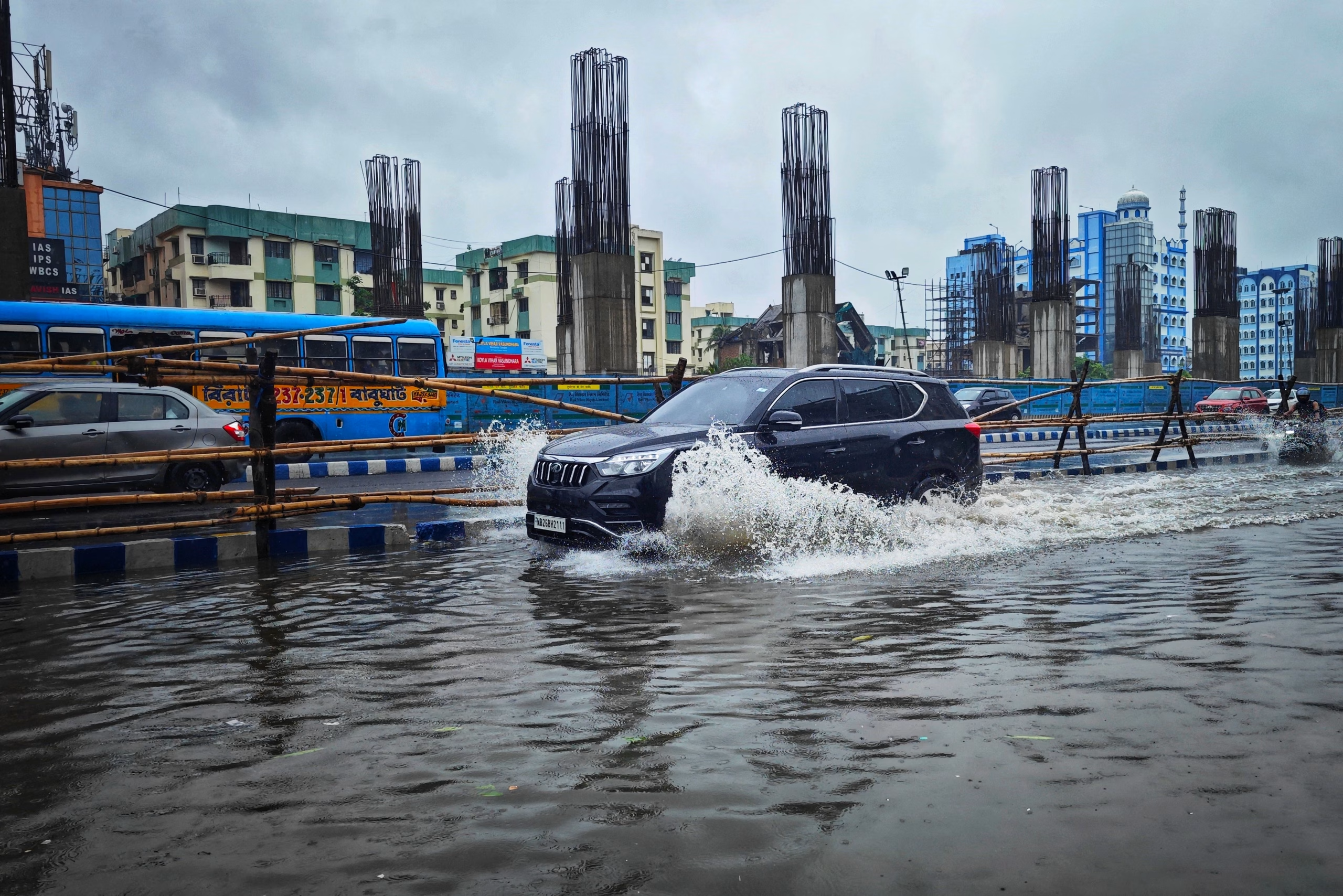
Flooding has become one of the most disruptive urban hazards affecting African cities. Intense rainfall events, poor drainage systems, unplanned urban development, and settlement expansion into flood-prone areas are increasing flood risks in many urban centers.
Nairobi has experienced repeated flood events that have damaged roads, disrupted transportation, and displaced residents in vulnerable communities. Lagos frequently faces urban flooding due to a combination of heavy rainfall, coastal exposure, and rapid population growth. Similar challenges affect cities such as Accra and Durban.
The impacts extend beyond immediate damage. Flooding can:
- destroy homes and businesses
- disrupt economic activities
- damage roads and bridges
- contaminate water supplies
- increase public health risks
- strain emergency response systems
As cities continue to grow, managing flood-related climate risks will become increasingly important for sustainable urban development.
Rising Temperatures Are Creating New Urban Challenges
While floods and droughts often receive significant attention, rising temperatures are quietly becoming one of the most serious climate risks facing African cities.
Urban areas often experience what is known as the urban heat island effect, where buildings, roads, and other surfaces absorb and retain heat, making cities significantly warmer than surrounding rural areas.
Cities such as Cairo, Khartoum, Niamey, and parts of Nairobi are already experiencing increasing heat stress. Higher temperatures can affect:
- public health
- worker productivity
- energy demand
- water consumption
- infrastructure performance
Heat-related illnesses are becoming more common during extreme temperature events, particularly among vulnerable populations such as children, older adults, and outdoor workers.
As climate change continues to increase average temperatures, urban heat management will become an essential component of resilience planning.
Climate Risks Are Influencing Infrastructure and Investment Decisions
Infrastructure is designed to support cities for decades, sometimes even centuries. However, changing environmental conditions are forcing planners and investors to rethink traditional approaches.
Roads, bridges, drainage systems, water treatment facilities, and housing developments must increasingly account for climate risks such as flooding, extreme rainfall, drought, and heat stress.
Investors are also becoming more aware of climate-related vulnerabilities. Infrastructure projects that fail to consider future environmental conditions may face higher maintenance costs, operational disruptions, and reduced long-term value.
Cities that integrate climate resilience into planning processes are likely to be better positioned to attract investment and support sustainable growth.
The future competitiveness of many African cities may depend on how effectively they manage climate-related infrastructure risks today.
How Technology Is Helping Cities Respond to Climate Risks
Technology is becoming one of the most powerful tools available for managing climate risks and improving urban resilience.
Modern innovations are helping governments and researchers better understand environmental conditions and prepare for future challenges.
Important technologies include:
Geographic Information Systems (GIS)
GIS helps identify flood-prone areas, map vulnerable infrastructure, and support urban planning decisions.
Satellite Monitoring
Satellite technology provides real-time information about rainfall, drought conditions, land use changes, and environmental trends.
Climate Forecasting
Improved climate models help cities prepare for future weather patterns and extreme events.
Artificial Intelligence (AI)
AI can analyze large environmental datasets and identify patterns that improve forecasting and risk assessment.
Early Warning Systems
These systems provide advance notice of floods, storms, and other hazards, allowing communities to respond more effectively.
Environmental Monitoring
Monitoring systems help track changes in water quality, air quality, land degradation, and ecosystem health.
Together, these innovations are strengthening resilience and demonstrating how science can help cities adapt to growing climate risks.
Explore our article on Geoscience Innovation in Africa: The Powerful Future of Research and Climate Resilience.
Building Climate-Resilient African Cities
While climate challenges are significant, they are not insurmountable. Many solutions already exist and are being implemented across the continent.
Building climate-resilient cities requires a combination of infrastructure improvements, policy reforms, community engagement, and scientific innovation.
Key strategies include:
- improving urban drainage systems
- protecting natural ecosystems
- expanding green infrastructure
- strengthening water management
- enhancing disaster preparedness
- integrating climate data into planning
- investing in resilient infrastructure
- promoting sustainable land use
Cities that invest in resilience today will be better prepared to manage future environmental challenges while supporting economic growth and social development.
Climate risks are no longer distant environmental concerns. They are increasingly shaping where people live, how cities grow, how infrastructure is designed, and how communities prepare for the future.
The Cities That Prepare Today Will Thrive Tomorrow
The future of African cities will be shaped by more than population growth and economic development. It will also be shaped by how effectively they understand, manage, and adapt to climate risks.
The decisions made today about infrastructure, water management, environmental protection, urban planning, and disaster preparedness will influence the resilience of cities for decades to come. Those that proactively address climate challenges will be better positioned to protect communities, attract investment, and sustain long-term growth.
Climate resilience is not simply about avoiding future problems. It is about creating stronger, healthier, and more sustainable cities capable of thriving in a changing world.
For additional information on climate monitoring, forecasting, and global climate resilience initiatives, visit the World Meteorological Organization (WMO).
Ultimately, climate risks are quietly reshaping the future of African cities whether societies are prepared or not. The cities that recognize these challenges early and respond strategically will be the ones that thrive tomorrow.
The good news is that many African cities are already taking important steps toward resilience. Investments in climate-smart infrastructure, improved flood management systems, environmental monitoring technologies, and sustainable urban planning are helping communities better prepare for future challenges. Researchers, policymakers, engineers, and local communities are increasingly recognizing that climate resilience must become a central part of development planning. While the scale of the challenge remains significant, the growing adoption of innovative solutions demonstrates that cities can reduce vulnerability and build a more sustainable future despite increasing environmental uncertainty.